Solar System Planets Colors In Order
In this article, I'll provide useful information about each planet in our solar system, and explain why Pluto is considered a 'dwarf planet'. How to Remember the Planets in Order Even though there are only 8 official planets in the solar system, it can be tricky to remember them all in order from the Sun.
Explore the fascinating hues of the 8 planets in our solar system, each painted by its unique composition. From the grey tones of terrestrial planets with oxidized minerals to the vibrant colors of gas giants, understanding planetary colors offers insights into their makeup and mysteries.
Discover the fascinating world of planet colors in our solar system. Uncover the chemistry behind the hues of each celestial body.
The planets in our solar system are a veritable rainbow of colors. But what makes them take on all their various hues, and why does each one look so different?
The Nine Planets Solar System, Order S Free, Color, Space Png | PNGEgg

The colours of the planets make our Solar System a wonderful array of red, blue, yellow, brown and grey. What colours are the planets and why?
If all the planets developed at the same time and out of the same materials, how come they are so different? and how come they all have different colors? When you look at the planets in the Solar system from space, they have these colors: Mercury: Grey Venus: Light yellow and white Earth: Blue, brown, and white Mars: Red, brown, and orange.
Discover the fascinating colors of our solar system, from the reddish iron oxide of Mars to the icy blue of Uranus, and gain insight into the atmospheric and geological processes that shape their appearance. Mercury's Color Profile Mercury, the smallest and innermost planet of our solar system, has a unique color profile that is quite.
Here's our Solar System Guide, Order Of The Planets from the Sun, What Is The Atmosphere Like On Other Planets?, and Some Of The Best Pictures of the Planets In Our Solar System.
The True Colors Of Our Solar System : R/INTP
Discover the fascinating world of planet colors in our solar system. Uncover the chemistry behind the hues of each celestial body.
The solar system is made up of eight planets with varying colors that change depending on the atmosphere and mineral composition. Images of the planets are often enhanced, which can distort their true colors. Mercury and Mars are identified by their gray and reddish tones, respectively, due to their composition. Planets like Jupiter and Saturn display bands of color that result from their.
The order of the colors of the planets in our solar system, starting from the closest to the sun, are: Mercury (gray), Venus (yellowish-white), Earth (blue), Mars (red), Jupiter (orange and white.
The planets in our solar system are a veritable rainbow of colors. But what makes them take on all their various hues, and why does each one look so different?
Printable Solar System Planets
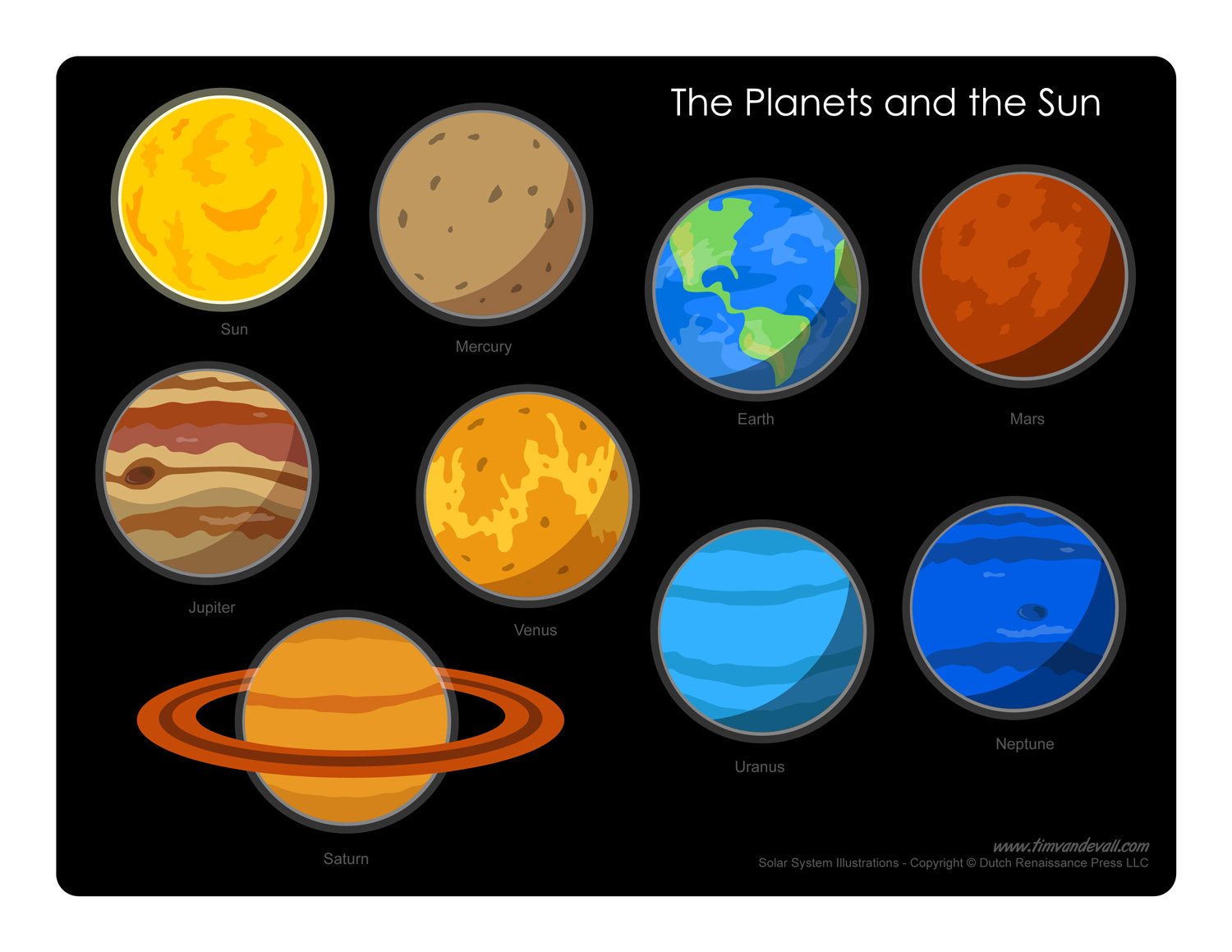
Here's our Solar System Guide, Order Of The Planets from the Sun, What Is The Atmosphere Like On Other Planets?, and Some Of The Best Pictures of the Planets In Our Solar System.
In this article, I'll provide useful information about each planet in our solar system, and explain why Pluto is considered a 'dwarf planet'. How to Remember the Planets in Order Even though there are only 8 official planets in the solar system, it can be tricky to remember them all in order from the Sun.
Explore the fascinating hues of the 8 planets in our solar system, each painted by its unique composition. From the grey tones of terrestrial planets with oxidized minerals to the vibrant colors of gas giants, understanding planetary colors offers insights into their makeup and mysteries.
The colours of the planets make our Solar System a wonderful array of red, blue, yellow, brown and grey. What colours are the planets and why?
What Is The Color Of The Planets

The colours of the planets make our Solar System a wonderful array of red, blue, yellow, brown and grey. What colours are the planets and why?
Discover the fascinating colors of our solar system, from the reddish iron oxide of Mars to the icy blue of Uranus, and gain insight into the atmospheric and geological processes that shape their appearance. Mercury's Color Profile Mercury, the smallest and innermost planet of our solar system, has a unique color profile that is quite.
Discover the fascinating world of planet colors in our solar system. Uncover the chemistry behind the hues of each celestial body.
The planets in our solar system are a veritable rainbow of colors. But what makes them take on all their various hues, and why does each one look so different?
What Are The Colors Of The Planets In Order

The colours of the planets make our Solar System a wonderful array of red, blue, yellow, brown and grey. What colours are the planets and why?
The solar system is made up of eight planets with varying colors that change depending on the atmosphere and mineral composition. Images of the planets are often enhanced, which can distort their true colors. Mercury and Mars are identified by their gray and reddish tones, respectively, due to their composition. Planets like Jupiter and Saturn display bands of color that result from their.
The planets in our solar system are a veritable rainbow of colors. But what makes them take on all their various hues, and why does each one look so different?
Here's our Solar System Guide, Order Of The Planets from the Sun, What Is The Atmosphere Like On Other Planets?, and Some Of The Best Pictures of the Planets In Our Solar System.
The Colors Of The Solar System Planets And Sun With Our
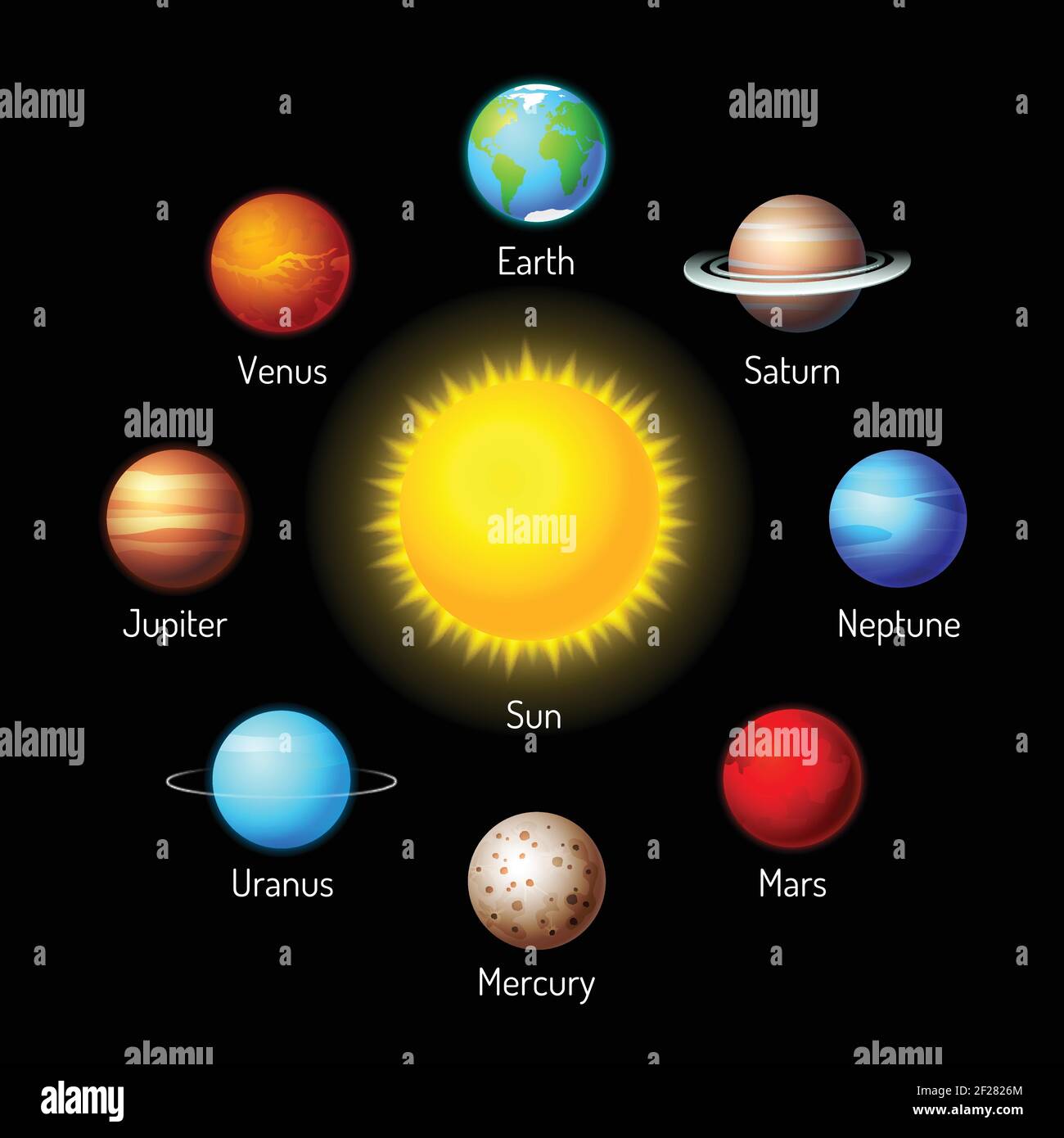
If all the planets developed at the same time and out of the same materials, how come they are so different? and how come they all have different colors? When you look at the planets in the Solar system from space, they have these colors: Mercury: Grey Venus: Light yellow and white Earth: Blue, brown, and white Mars: Red, brown, and orange.
The planets in our solar system are a veritable rainbow of colors. But what makes them take on all their various hues, and why does each one look so different?
In this article, I'll provide useful information about each planet in our solar system, and explain why Pluto is considered a 'dwarf planet'. How to Remember the Planets in Order Even though there are only 8 official planets in the solar system, it can be tricky to remember them all in order from the Sun.
Discover the fascinating colors of our solar system, from the reddish iron oxide of Mars to the icy blue of Uranus, and gain insight into the atmospheric and geological processes that shape their appearance. Mercury's Color Profile Mercury, the smallest and innermost planet of our solar system, has a unique color profile that is quite.
What Are The Colors Of Planets In Our Solar System

In this article, I'll provide useful information about each planet in our solar system, and explain why Pluto is considered a 'dwarf planet'. How to Remember the Planets in Order Even though there are only 8 official planets in the solar system, it can be tricky to remember them all in order from the Sun.
The colours of the planets make our Solar System a wonderful array of red, blue, yellow, brown and grey. What colours are the planets and why?
If all the planets developed at the same time and out of the same materials, how come they are so different? and how come they all have different colors? When you look at the planets in the Solar system from space, they have these colors: Mercury: Grey Venus: Light yellow and white Earth: Blue, brown, and white Mars: Red, brown, and orange.
Discover the fascinating colors of our solar system, from the reddish iron oxide of Mars to the icy blue of Uranus, and gain insight into the atmospheric and geological processes that shape their appearance. Mercury's Color Profile Mercury, the smallest and innermost planet of our solar system, has a unique color profile that is quite.
Full Color Diagram Of The Solar System Planets Solar System

The order of the colors of the planets in our solar system, starting from the closest to the sun, are: Mercury (gray), Venus (yellowish-white), Earth (blue), Mars (red), Jupiter (orange and white.
The colours of the planets make our Solar System a wonderful array of red, blue, yellow, brown and grey. What colours are the planets and why?
The solar system is made up of eight planets with varying colors that change depending on the atmosphere and mineral composition. Images of the planets are often enhanced, which can distort their true colors. Mercury and Mars are identified by their gray and reddish tones, respectively, due to their composition. Planets like Jupiter and Saturn display bands of color that result from their.
In this article, I'll provide useful information about each planet in our solar system, and explain why Pluto is considered a 'dwarf planet'. How to Remember the Planets in Order Even though there are only 8 official planets in the solar system, it can be tricky to remember them all in order from the Sun.
Planets Of The Colors
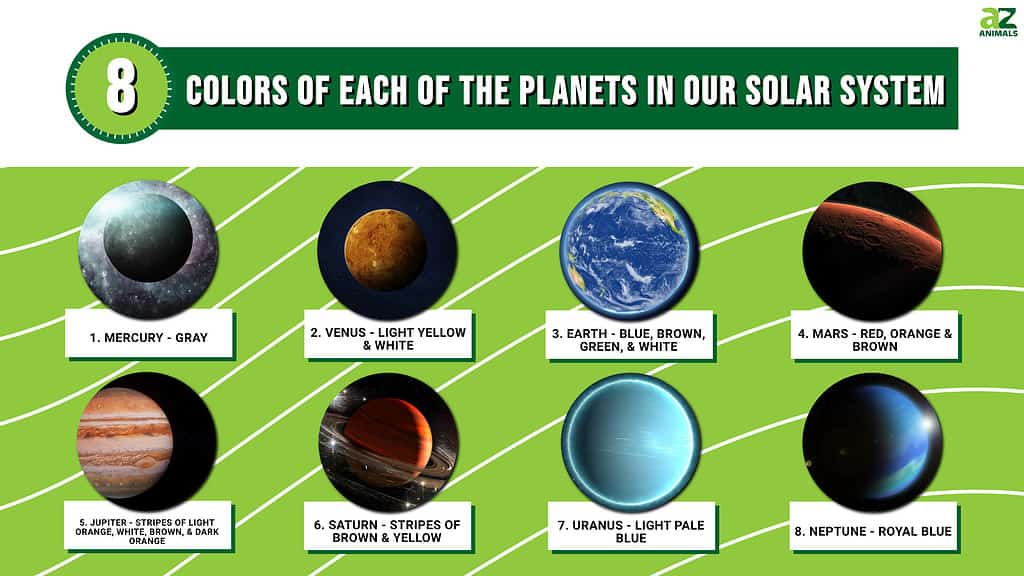
The planets in our solar system are a veritable rainbow of colors. But what makes them take on all their various hues, and why does each one look so different?
If all the planets developed at the same time and out of the same materials, how come they are so different? and how come they all have different colors? When you look at the planets in the Solar system from space, they have these colors: Mercury: Grey Venus: Light yellow and white Earth: Blue, brown, and white Mars: Red, brown, and orange.
Discover the fascinating world of planet colors in our solar system. Uncover the chemistry behind the hues of each celestial body.
The colours of the planets make our Solar System a wonderful array of red, blue, yellow, brown and grey. What colours are the planets and why?
What Are The Colors Of The Planets In Order

In this article, I'll provide useful information about each planet in our solar system, and explain why Pluto is considered a 'dwarf planet'. How to Remember the Planets in Order Even though there are only 8 official planets in the solar system, it can be tricky to remember them all in order from the Sun.
The colours of the planets make our Solar System a wonderful array of red, blue, yellow, brown and grey. What colours are the planets and why?
Here's our Solar System Guide, Order Of The Planets from the Sun, What Is The Atmosphere Like On Other Planets?, and Some Of The Best Pictures of the Planets In Our Solar System.
The order of the colors of the planets in our solar system, starting from the closest to the sun, are: Mercury (gray), Venus (yellowish-white), Earth (blue), Mars (red), Jupiter (orange and white.
Planets Of The Colors

The order of the colors of the planets in our solar system, starting from the closest to the sun, are: Mercury (gray), Venus (yellowish-white), Earth (blue), Mars (red), Jupiter (orange and white.
If all the planets developed at the same time and out of the same materials, how come they are so different? and how come they all have different colors? When you look at the planets in the Solar system from space, they have these colors: Mercury: Grey Venus: Light yellow and white Earth: Blue, brown, and white Mars: Red, brown, and orange.
The solar system is made up of eight planets with varying colors that change depending on the atmosphere and mineral composition. Images of the planets are often enhanced, which can distort their true colors. Mercury and Mars are identified by their gray and reddish tones, respectively, due to their composition. Planets like Jupiter and Saturn display bands of color that result from their.
Discover the fascinating world of planet colors in our solar system. Uncover the chemistry behind the hues of each celestial body.
Planets Of The Colors
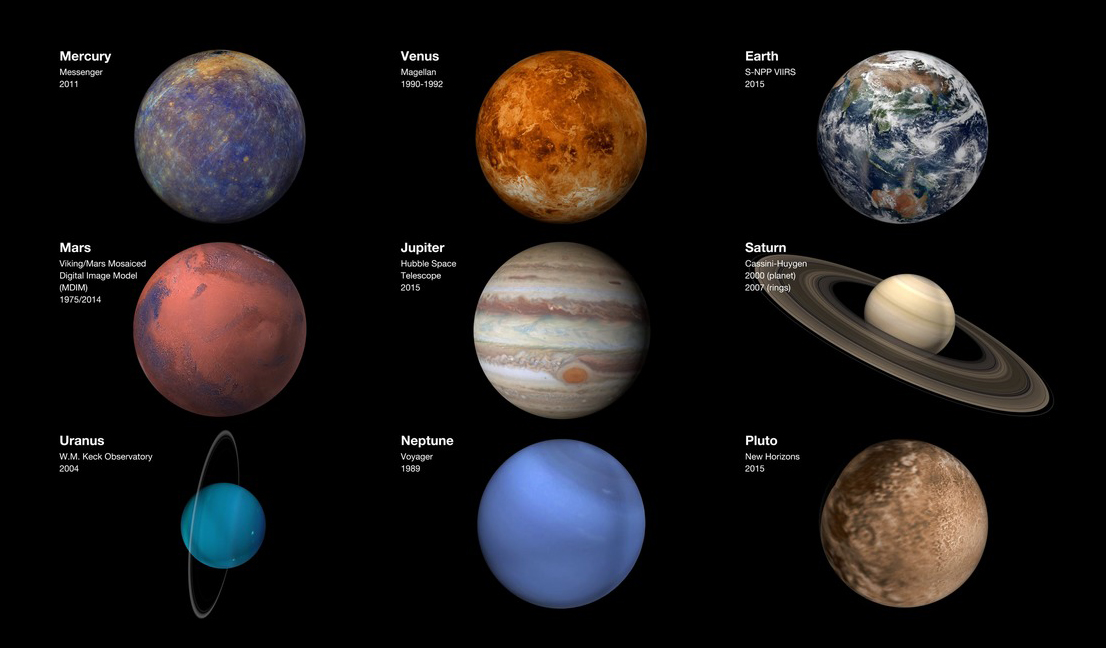
If all the planets developed at the same time and out of the same materials, how come they are so different? and how come they all have different colors? When you look at the planets in the Solar system from space, they have these colors: Mercury: Grey Venus: Light yellow and white Earth: Blue, brown, and white Mars: Red, brown, and orange.
The colours of the planets make our Solar System a wonderful array of red, blue, yellow, brown and grey. What colours are the planets and why?
The order of the colors of the planets in our solar system, starting from the closest to the sun, are: Mercury (gray), Venus (yellowish-white), Earth (blue), Mars (red), Jupiter (orange and white.
Explore the fascinating hues of the 8 planets in our solar system, each painted by its unique composition. From the grey tones of terrestrial planets with oxidized minerals to the vibrant colors of gas giants, understanding planetary colors offers insights into their makeup and mysteries.
Colors Of The Planets Of The Solar System

Here's our Solar System Guide, Order Of The Planets from the Sun, What Is The Atmosphere Like On Other Planets?, and Some Of The Best Pictures of the Planets In Our Solar System.
Discover the fascinating colors of our solar system, from the reddish iron oxide of Mars to the icy blue of Uranus, and gain insight into the atmospheric and geological processes that shape their appearance. Mercury's Color Profile Mercury, the smallest and innermost planet of our solar system, has a unique color profile that is quite.
If all the planets developed at the same time and out of the same materials, how come they are so different? and how come they all have different colors? When you look at the planets in the Solar system from space, they have these colors: Mercury: Grey Venus: Light yellow and white Earth: Blue, brown, and white Mars: Red, brown, and orange.
The order of the colors of the planets in our solar system, starting from the closest to the sun, are: Mercury (gray), Venus (yellowish-white), Earth (blue), Mars (red), Jupiter (orange and white.
What Are The Colors Of Planets In Solar System: Explained With ...
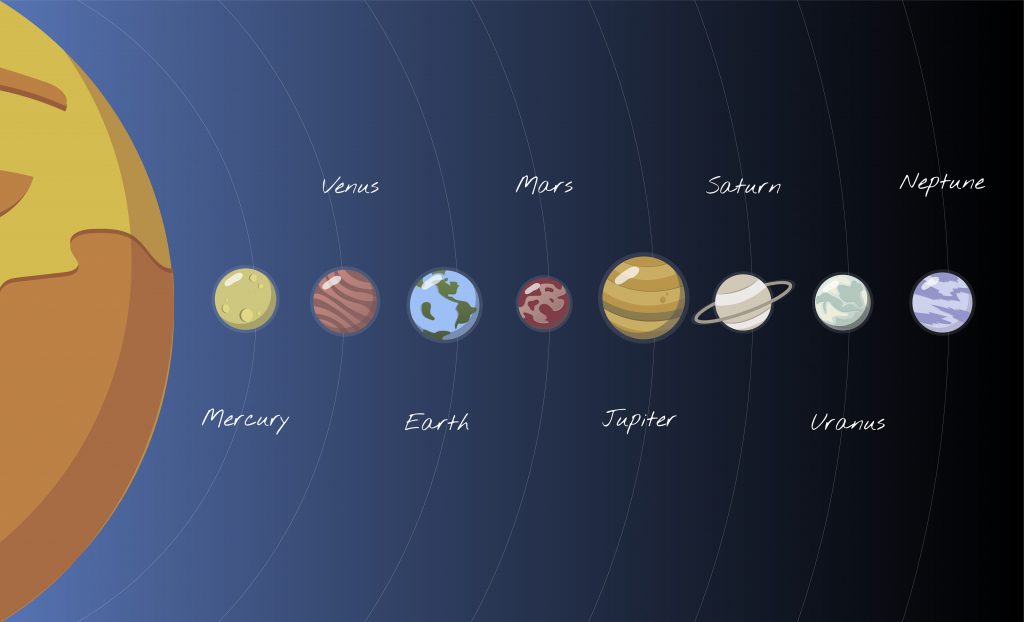
Discover the fascinating colors of our solar system, from the reddish iron oxide of Mars to the icy blue of Uranus, and gain insight into the atmospheric and geological processes that shape their appearance. Mercury's Color Profile Mercury, the smallest and innermost planet of our solar system, has a unique color profile that is quite.
If all the planets developed at the same time and out of the same materials, how come they are so different? and how come they all have different colors? When you look at the planets in the Solar system from space, they have these colors: Mercury: Grey Venus: Light yellow and white Earth: Blue, brown, and white Mars: Red, brown, and orange.
In this article, I'll provide useful information about each planet in our solar system, and explain why Pluto is considered a 'dwarf planet'. How to Remember the Planets in Order Even though there are only 8 official planets in the solar system, it can be tricky to remember them all in order from the Sun.
Here's our Solar System Guide, Order Of The Planets from the Sun, What Is The Atmosphere Like On Other Planets?, and Some Of The Best Pictures of the Planets In Our Solar System.
Planet Colors For Solar System Project

The order of the colors of the planets in our solar system, starting from the closest to the sun, are: Mercury (gray), Venus (yellowish-white), Earth (blue), Mars (red), Jupiter (orange and white.
The planets in our solar system are a veritable rainbow of colors. But what makes them take on all their various hues, and why does each one look so different?
In this article, I'll provide useful information about each planet in our solar system, and explain why Pluto is considered a 'dwarf planet'. How to Remember the Planets in Order Even though there are only 8 official planets in the solar system, it can be tricky to remember them all in order from the Sun.
Discover the fascinating world of planet colors in our solar system. Uncover the chemistry behind the hues of each celestial body.
Explore the fascinating hues of the 8 planets in our solar system, each painted by its unique composition. From the grey tones of terrestrial planets with oxidized minerals to the vibrant colors of gas giants, understanding planetary colors offers insights into their makeup and mysteries.
Here's our Solar System Guide, Order Of The Planets from the Sun, What Is The Atmosphere Like On Other Planets?, and Some Of The Best Pictures of the Planets In Our Solar System.
The colours of the planets make our Solar System a wonderful array of red, blue, yellow, brown and grey. What colours are the planets and why?
Discover the fascinating colors of our solar system, from the reddish iron oxide of Mars to the icy blue of Uranus, and gain insight into the atmospheric and geological processes that shape their appearance. Mercury's Color Profile Mercury, the smallest and innermost planet of our solar system, has a unique color profile that is quite.
The solar system is made up of eight planets with varying colors that change depending on the atmosphere and mineral composition. Images of the planets are often enhanced, which can distort their true colors. Mercury and Mars are identified by their gray and reddish tones, respectively, due to their composition. Planets like Jupiter and Saturn display bands of color that result from their.
If all the planets developed at the same time and out of the same materials, how come they are so different? and how come they all have different colors? When you look at the planets in the Solar system from space, they have these colors: Mercury: Grey Venus: Light yellow and white Earth: Blue, brown, and white Mars: Red, brown, and orange.
The planets in our solar system are a veritable rainbow of colors. But what makes them take on all their various hues, and why does each one look so different?
The order of the colors of the planets in our solar system, starting from the closest to the sun, are: Mercury (gray), Venus (yellowish-white), Earth (blue), Mars (red), Jupiter (orange and white.
In this article, I'll provide useful information about each planet in our solar system, and explain why Pluto is considered a 'dwarf planet'. How to Remember the Planets in Order Even though there are only 8 official planets in the solar system, it can be tricky to remember them all in order from the Sun.
Discover the fascinating world of planet colors in our solar system. Uncover the chemistry behind the hues of each celestial body.